ZEVi is a fleet management platform built on one insight: confidence comes before adoption. Backed by NextEra Energy, I redesigned the tool to give operations teams the visibility and clarity they needed to trust their electric fleets.
My Role
IC Product Designer — research, systems, and end-to-end UI
Tools
- Figma - Jitter - Dovetail - After Effects
Time
2022-2024
My Team
- Data Scientist
- Product Managers (x3)
- Software Developer
What I Contributed
Redesigned the platform to scale with different hardware, operations teams, and created its first design system with variables.
Addressed themes of pain points from teams around the country, such as operational visibility, communication, range anxiety, and maintenance.
Created an alert system for the Hardware and Operations teams.
Problem
ZEVi (Zero-Emission Vehicle Intelligence) had a scaling problem. The platform couldn't keep up with the real complexity of EV fleet operations — multiple hardware types, distributed teams, and a user base skeptical of the transition. My role was to redesign it from the ground up: build ZEVi's first design system, simplify a complex alert architecture, and turn what fleet managers feared into features they could rely on.
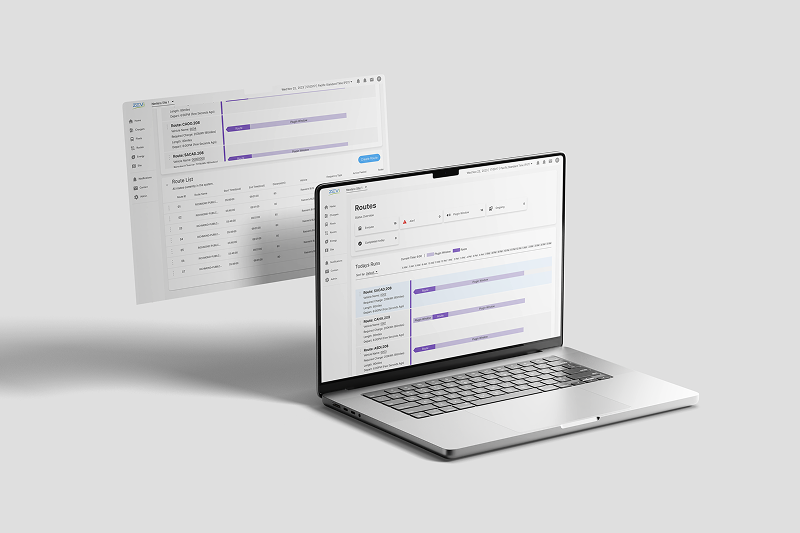
ZEVi Before
Insight Goals
- Different types of Chargers used - Worries, and operational constraints - Wants and wishes of fleet managers
Business Goal
Create a fleet management tool to support EV fleet operations, enabling them to adapt to EV vehicles while maintaining low costs, powered by machine learning.
Approach
Research
We partnered with an EV journalist to interview 15 stakeholders across school districts, AB InBev, and US Foods — directors, fleet managers, superintendents, and operations leads. What we heard wasn't a technology problem. It was a trust problem.
Interviewed
Directors: 4
Superintendents: 2
Fleet Managers: 4
EV Bus Companies: 1
Operational Managers: 4
Quotes
"We don't have the headcount to have someone manually plug and unplug vehicles."— Fleet Manager
"Will we be able to know which vehicles are overcharging?"— Head of Electrification
"How do we address chargers that lose connection?"— Superintendent
Key Takeaways for Core Themes
1. Operational overhead — no bandwidth to babysit hardware
2. Hardware trust — chargers and vehicles felt like black boxes
3. Cost complexity — demand charge rates and tariffs were feared
How do we address these themes, and create confidence?
The Plan
The instinct was to add more features. The right move was to add more clarity. ZEVi gave users data — but not understanding. Managers couldn't answer the questions that mattered: Are my vehicles ready tomorrow? Is something about to break? Am I getting a surprise bill? The platform wasn't failing on functionality. It was failing on confidence.
Solution 1: Fleet & Vehicle Visibility
Redesigned around exception-based information — surface only what needs attention, so managers can assess their entire fleet in seconds.
Solution 2: Hardware Transparency
Rebuilt the charger interface to show real-time status for every port, with alerts that separate 'act now' from 'monitor later' — reducing noise without hiding risk.
Solution 3: Energy Intelligence
Designed to forecast, not just report. Operators can see projected billing-cycle costs, understand the impact of their charging schedule on peak demand, and act before costs hit.
Every solution went through technical feasibility QA, A/B testing, and feedback sessions before shipping.
Hi-Fi Solutions
Vehicle Management Example
View all your vehicles and their charging status, including whether they are charging, idle, paused, or affected by a faulty charger. Set target charge times.
Fleet Management
If a fleet manager receives a message showing a broken charger and notices the connected vehicle to that charger is in an error state. They can communicate with ground operations, allowing them to switch out a charged vehicle for another one that needs charging.
Charger Page
New EV fleet managers could easily see the state of their chargers at their depots.
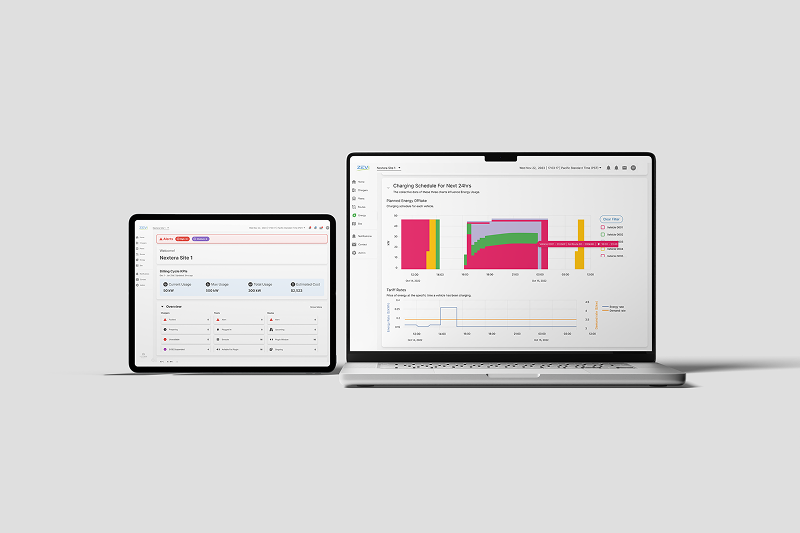
Energy Page
Allows Operations teams to scan their energy usage quickly. Businesses no longer need to be in the dark about how they're being charged. The system can adjust to the different utility characteristics of every state. From different tariffs to demand charges, all of these have been optimized to improve any operations.
Take Away
The redesigned ZEVi shipped across six core views — Fleet, Charger, Routes, Energy, Notifications, and Site & Fleet — alongside the product's first complete design system built with variables. The result was a platform fleet managers could actually rely on: less noise, more signal, and the confidence to make decisions without second-guessing the tool.
This was a brief idea of my experience. Let's chat about the details! ✉️